
EDITION NO. 06 • OCTOBER 15, 2026
The SOS Soul Note arrives mid-month. A breath between newsletters.
The Running Commentary
Listen closely to the way you speak about yourself when no one is asking.
Not the version you offer in a meeting or across a dinner table. The quieter one. The commentary that runs underneath an ordinary day. I’m so behind. Of course I forgot. I should have known better. I never finish anything.
Most of us would never speak to a friend that way. We would never say it to a client, a colleague, a child. Yet we say it to ourselves dozens of times a day, so casually that it no longer registers as speech at all. It feels like weather. Like fact.
Maybe that isn’t your voice. Not every woman speaks harshly about herself. For some of us, it is quieter. It is the way we shrink what we have done: It was nothing. I just got lucky. The way we postpone ourselves: I’ll rest when this is finished. The way we answer for ourselves before anyone has truly asked: I’m fine. None of it sounds unkind. All of it is still a sentence about who we are, and not every sentence is a supportive one.
Whatever form it takes, it isn’t fact. It is a sentence. And sentences, spoken often enough, become the room we live in.
Life and Death in the Same Mouth
There is a verse I return to often:
Death and life are in the power of the tongue: and they that love it shall eat the fruit thereof.
Proverbs 18:21
Most of us know the first half. The second half is the one that stops me. They that love it shall eat the fruit thereof. Whatever we speak, we eventually eat. The words we use about ourselves do not leave the body. They become what we are nourished on, morning after morning.
I believe in God and I read the Bible, and I have come to trust that everything we need to know about how to live is already written there. Thousands of years later, it still translates. It speaks plainly about the power of the mind: For as he thinketh in his heart, so is he (Proverbs 23:7). And it tells us who we are from the very beginning: made in the image and likeness of God (Genesis 1:26).
I do not read that as a poetic phrase. I read it as a statement about power. Earlier this month, I wrote to you about how the first story of creation begins with speech. Let there be light. If we are made in the image of the One who spoke creation into being, then our words are not only descriptions of our lives. They help shape how we experience and participate in the lives we are creating. We are co-creators with God, and our thoughts and words are part of that creation.
If what you believe looks different from what I believe, I hope you still find yourself here. The invitation is the same: pay attention to what you are speaking into being.
This is not a call to repeat affirmations until they stick. Speaking life over yourself is not about speaking louder or sweeter. It is about speaking truer. “I’m so behind” is rarely accurate. “I am carrying a great deal, and I am doing it with care” usually is. So many of the words that diminish us are simply inaccurate words, spoken with authority.
You would not let anyone else speak about you carelessly. You are allowed to hold yourself to the same standard.
Micro-Practice
Psychologist Ethan Kross and his colleagues have studied how speaking to ourselves using our own name, or you instead of I, can create psychological distance. That distance can help us regulate our emotions and approach a situation with greater perspective. It is how we already speak to the people we love.
This week, when the commentary starts, pause and say it again, this time by name. Not I’m so behind, but Felise, you have done a great deal today. What is the one thing that matters next? Use your own name. Say it the way you would say it to a friend you deeply respect. If you pray, offer that truer sentence back to God as your word over yourself.
Then notice what you begin to eat.
Speaking life and love over you,
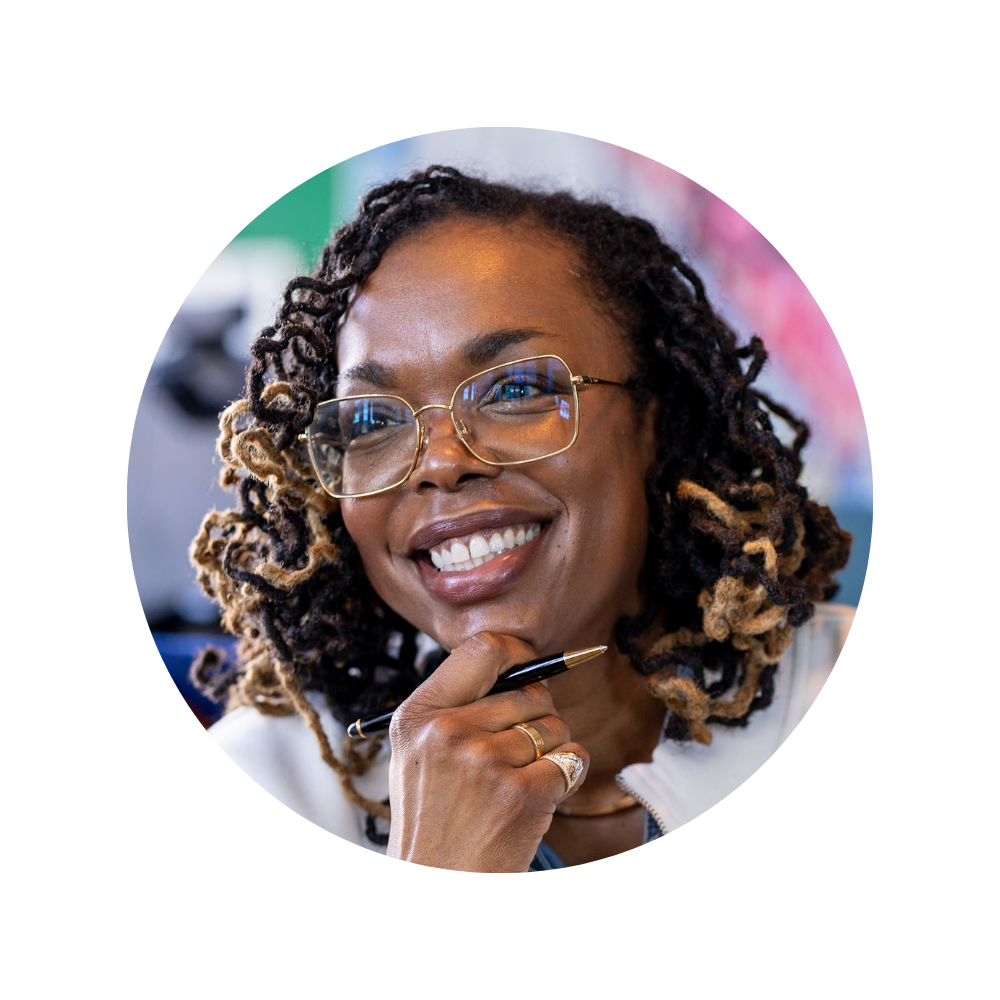
Felise Matlock Brown
Founder, Sanctuary of Self (SOS)



Responses